

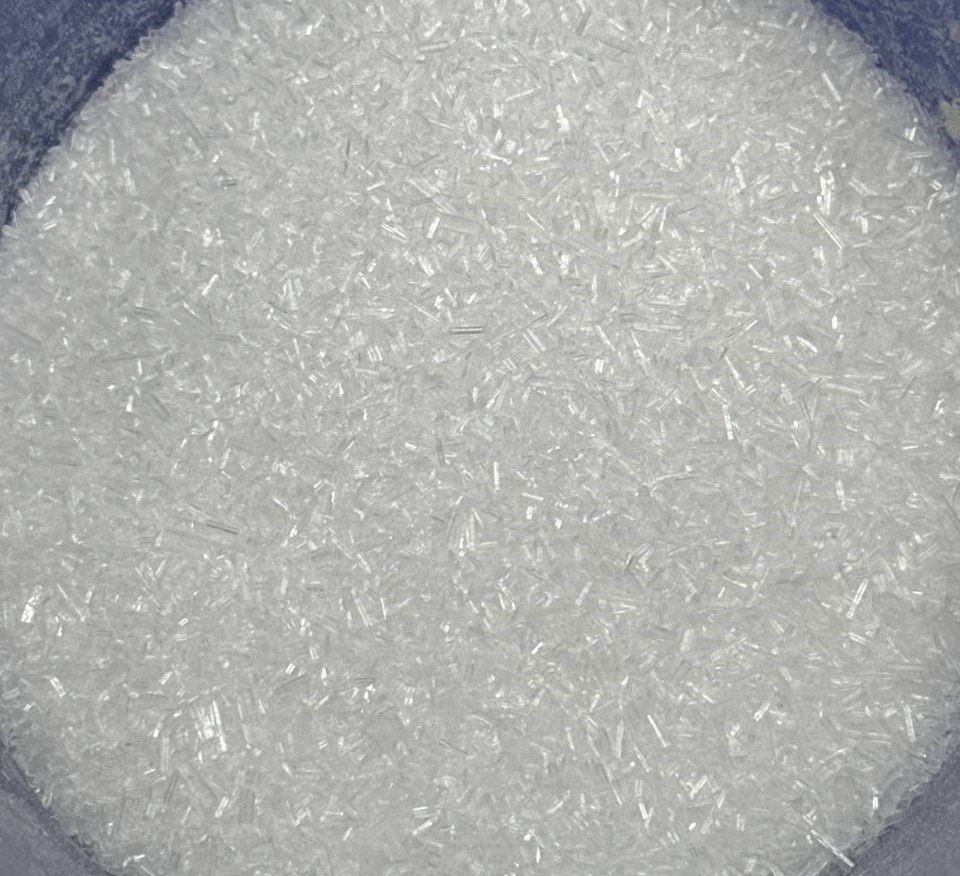
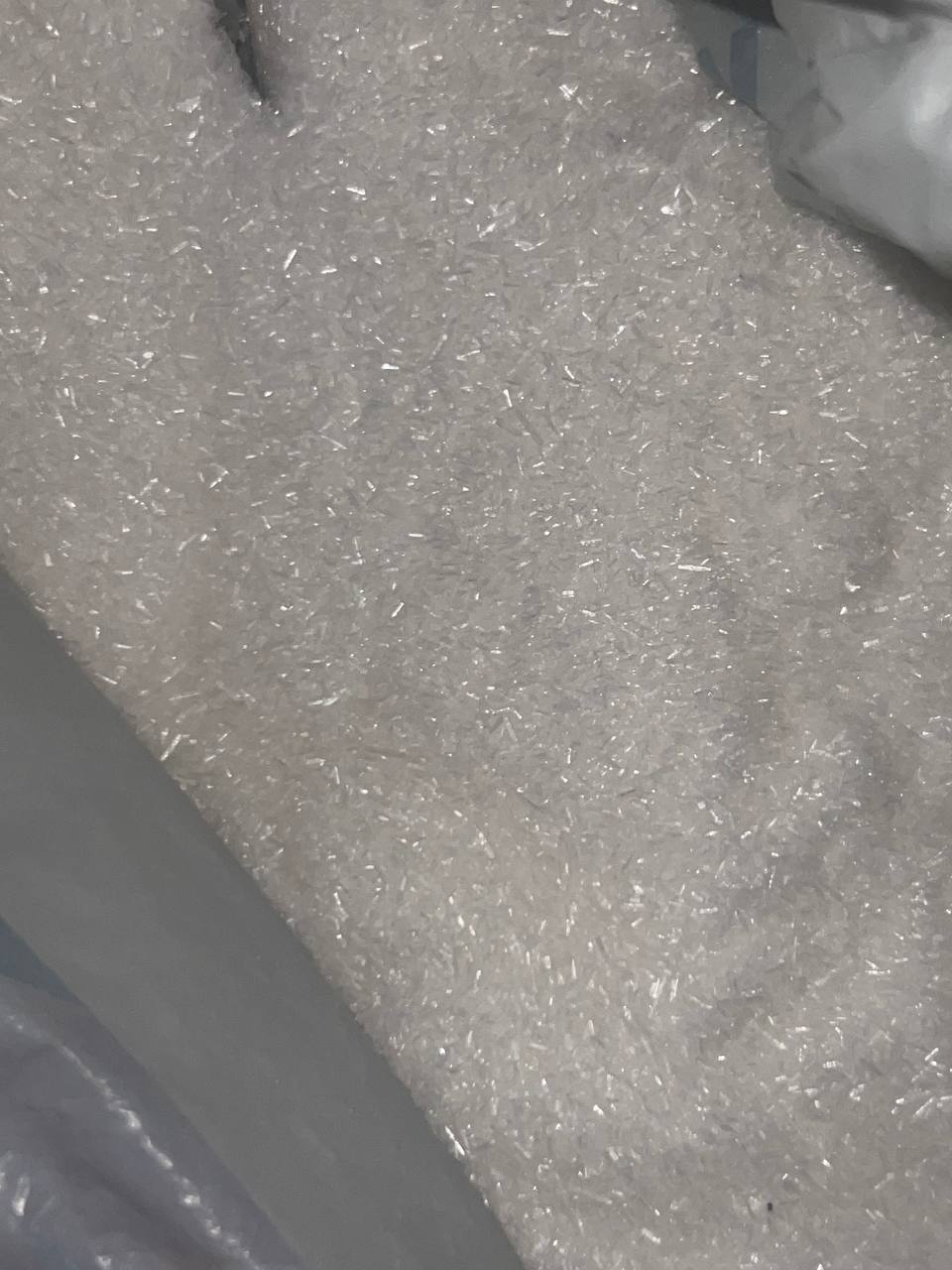
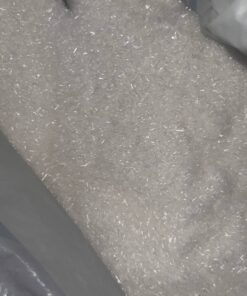
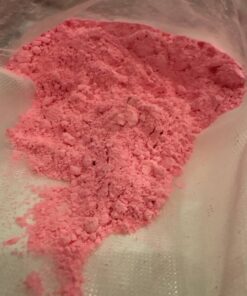
Indian Ketamine S isomer Shard
Price range: £50.00 through £205.00
Buy Ketamine. Since the 1960s, ketamine has proved to be an essential medicine, providing anesthesia, sedation, and analgesia in psychedelic clinics and hospitals around the world. More recently, ketamine has been shown to provide rapid relief from severe depression. This discovery led to FDA approval of the first ketamine-related drug in 2019. For decades, depression has been thought to arise from chemical imbalances in monoamine neurotransmitter systems like serotonin and norepinephrine. As a result, traditional antidepressants are used to increase the function of these systems, usually with limited efficacy over a long time frame.
In contrast, ketamine treatments quickly alleviate severe depression and suicidal ideation by modulating different neurotransmitter systems. While ketamine’s antidepressant action is still not fully understood, its unique mechanism of action and effectiveness represents a paradigm shift in psychiatry’s understanding of treatment-resistant depression. The extent of these effects varies, however, depending on the types of ketamine.
Different Types of Ketamine
Before we dive into the three types of ketamine, let’s take a look at the chemistry behind the molecule. Like many synthetic drugs, ketamine is chiral, meaning it exists in several isomeric forms. Isomers are molecules with the same bonded atoms, but which differ in their three-dimensional orientation. Ketamine is available as a pair of right- and left-handed mirror-image isomers known as R(+) and S(-) ketamine. These enantiomers are non-superimposable, similar to our right and left hand when they are placed on top of each other. buy Ketamine
Due to their different spatial arrangements, the enantiomeric forms of ketamine bind in the body and brain differently. In turn, this alters both their pharmacological activity, and how the enantiomeric forms metabolize. However, all forms of ketamine work in the brain by blocking, to varying extents, a type of glutamate channel called the N-methyl-D-aspartate receptor. By targeting this receptor, ketamine increases the excitatory neurotransmitter glutamate in the brain. This mechanism activates downstream targets that stimulate the creation of new neural connections. This process is known as neuroplasticity, which is known to be disrupted in the brains of those with depression.
Although sharing many similarities, R and S ketamine are effectively two different drugs with their own properties. Recently, pharmaceutical companies have taken interest in purifying and patenting single-enantiomer (enantiopure) ketamine drugs.
R,S-ketamine
| qty/grams | 3.5, 7, 14, 28 |
|---|
3 reviews for Indian Ketamine S isomer Shard
Add a review
Related products
Stimulants
Stimulants
Stimulants
Neil –
Fast delivery amazing service
The best batch I’ve had in months
McGuire –
Nice K cooked back from water well
Callum –
Next day delivery, k is spot on